

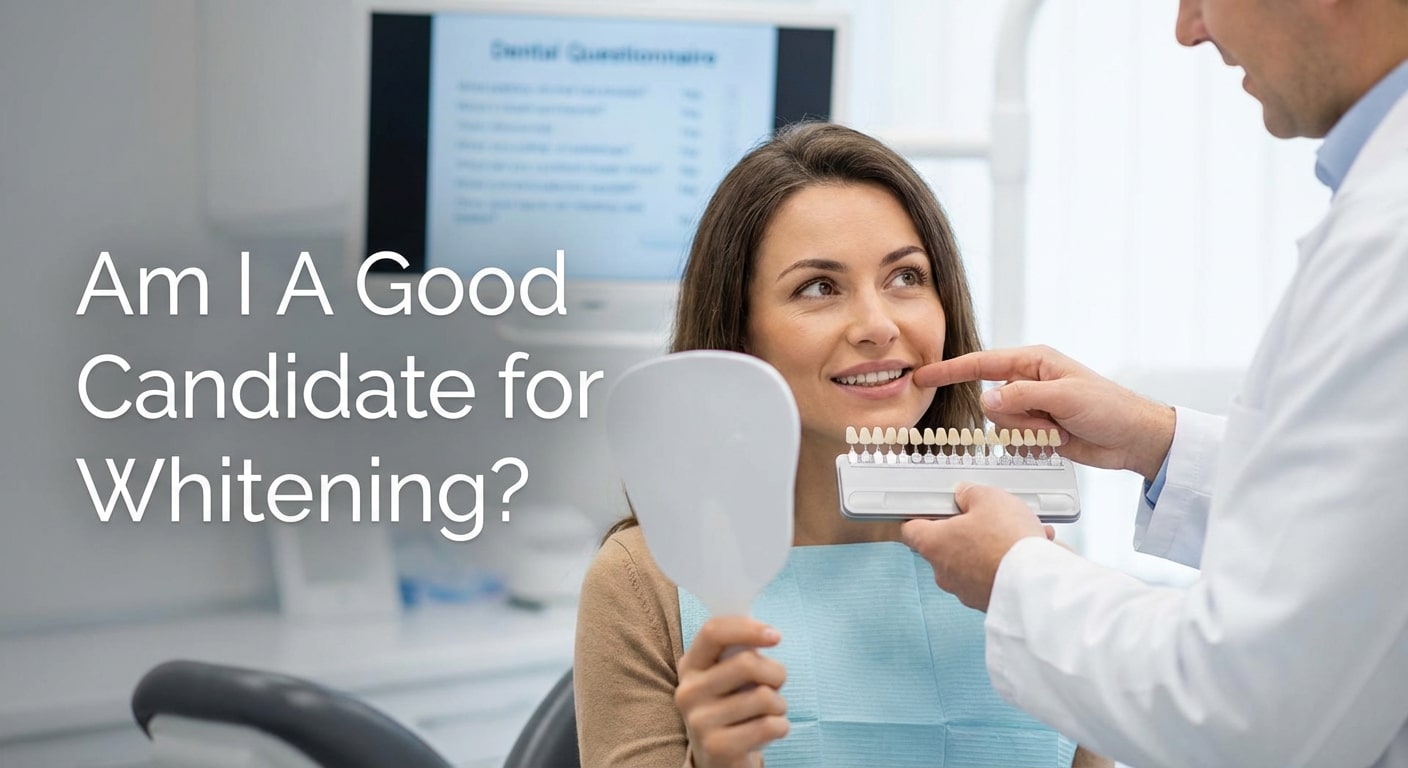
Am I a Good Candidate? Stains, Yellow Teeth, Age & Dental Conditions
Let's talk about the question that stops most people before they even start:
"Are my teeth too yellow to whiten?"
Or maybe it's: "Will whitening even work for me?"
Here's the truth. Most people are good candidates for teeth whitening. But not everyone. And not all stains respond the same way.
The colour of your teeth, the type of staining you have, your age, your dental health, and even your lifestyle all play a role in whether whitening will work, how well it'll work, and what kind of results you can realistically expect.
So if you've been wondering whether whitening is right for you, or if you're worried your teeth are "too far gone," this one's for you.
Let's break it all down.
Different Types of Tooth Discolouration in Plain Language
Not all yellow teeth are created equal. There are two main types of tooth discolouration, and understanding which one you have makes all the difference.
Extrinsic Stains (Surface Stains)
These are stains on the outside of your teeth, sitting on the enamel. They come from things like:
Coffee, tea, and red wine
Smoking and tobacco use
Dark-coloured foods (berries, soy sauce, curry, balsamic vinegar)
Poor oral hygiene (plaque and tartar buildup)
Extrinsic stains are usually brownish or yellowish and often have a patchy appearance. The good news? These stains respond really well to whitening because the bleaching agent can break them down and lift them off.
Intrinsic Stains (Internal Discolouration)
These are stains inside the tooth, in the dentin layer beneath the enamel. They can be caused by:
Aging (as enamel thins, the yellowish dentin shows through more)
Genetics (some people just have naturally darker or more yellow teeth)
Medications (like tetracycline antibiotics taken during childhood)
Trauma to a tooth (internal bleeding or nerve damage can darken a tooth from the inside)
Excessive fluoride exposure during tooth development (fluorosis)
Intrinsic stains are trickier. They can still improve with whitening, but the results are more variable. Some intrinsic stains lighten beautifully. Others barely budge.
The key is knowing what you're dealing with before you start.
Stains That Usually Respond Very Well to Whitening
If you have these types of stains, whitening is going to work great for you:
Coffee and Tea Stains
These are classic extrinsic stains. Whitening breaks down the tannins and pigments, and you'll see noticeable improvement, often within one session.
Tobacco Stains
Smoking leaves stubborn brown and yellow stains on your teeth. Professional whitening can significantly reduce or eliminate them, especially if you quit smoking before or during treatment.
Red Wine Stains
Like coffee and tea, red wine stains are surface-level and respond well to bleaching.
Food-Related Stains
Dark sauces, berries, and heavily pigmented foods cause extrinsic staining that whitening handles easily.
Age-Related Yellowing (Mild to Moderate)
As you age, your enamel naturally thins and your dentin (which is yellowish) becomes more visible. Whitening can lighten the dentin and give you a brighter, more youthful smile.
If your discolouration falls into these categories, you're in luck. Whitening will likely give you dramatic, satisfying results.
Stains That Are Harder to Treat and May Need Other Cosmetic Options
Some types of discolouration are more resistant to whitening. That doesn't mean you're out of options, it just means whitening alone might not be enough.
Severe Tetracycline Staining
Tetracycline antibiotics (especially if taken during childhood or pregnancy) can cause deep grey or brown banding on teeth. These stains are notoriously difficult to whiten. You might see some improvement, but full correction often requires veneers or bonding.
Fluorosis (White or Brown Spots)
Excessive fluoride exposure during tooth development can cause white or brown spots on your enamel. Whitening can sometimes make the spots more noticeable, not less. Cosmetic treatments like micro-abrasion or veneers may be better options.
Severe Intrinsic Discolouration from Trauma
If a tooth has been injured and darkened from internal bleeding or nerve damage, external whitening won't always fix it. Internal bleaching (where the dentist whitens the tooth from the inside) is sometimes needed.
Naturally Dark or Grey Teeth
Some people just have genetically darker teeth. Whitening can lighten them a bit, but if your teeth are naturally very grey or brown, you may not reach "Hollywood white." Veneers might be a better option for a dramatic transformation.
Old Age-Related Yellowing (Severe)
If your enamel is extremely thin and your dentin is very dark, whitening can help, but the results may be more modest.
The bottom line? A dentist can assess your stains and tell you honestly what whitening can and can't do for you.
How Age Affects Whitening Expectations
Age plays a bigger role in whitening than most people realise.
Younger Teeth (Teens to 20s)
Younger teeth tend to have thicker enamel and more porous dentin, which means they absorb whitening agents well and respond quickly. However, dentists usually recommend waiting until at least age 16 to 18 when tooth development is complete.
Results in younger people are often dramatic and long-lasting.
Middle Age (30s to 50s)
This is the sweet spot. Your teeth have accumulated some staining (coffee, wine, aging), but your enamel is still reasonably thick. Whitening works great, and you'll see noticeable improvement.
Older Adults (60+)
As you age, your enamel naturally thins and your dentin becomes more visible and darker. You can still whiten, but the results may be more subtle. You're working with less enamel and more exposed dentin, which doesn't lighten as easily.
That said, even modest whitening can take years off your appearance.
The key is to have realistic expectations based on your age and tooth condition.
Smoking-Related and Long-Term Coffee/Red Wine Stains
Let's talk about the heavy hitters.
If you've been a smoker for years, or if you've been drinking multiple cups of coffee or glasses of red wine daily, your teeth have likely accumulated deep, stubborn stains.
The good news? Professional whitening can still make a significant difference.
The bad news? If you keep smoking or drinking coffee without protecting your results, the stains will come back fast.
Here's what works:
Step 1: Professional Whitening
Get your teeth professionally whitened. In-chair whitening is usually the best option for heavy staining because the concentration is strong enough to penetrate and break down years of buildup.
Step 2: Commit to Maintenance
Once you whiten, you need to protect your results. That means:
Quitting smoking (or at least cutting back significantly)
Using a straw for coffee, tea, and wine
Rinsing your mouth with water after staining foods or drinks
Brushing with whitening toothpaste a few times a week
Getting regular dental cleanings
Step 3: Plan for Touch-Ups
If you continue to consume staining foods and drinks, plan to do a touch-up every 6 to 12 months to keep your smile bright.
The reality is, if you're a lifelong coffee drinker or smoker, whitening isn't a one-and-done solution. But with the right plan, you can absolutely maintain a brighter smile.
Medical or Drug-Related Discolouration (e.g., Tetracycline): Realistic Expectations
Some medications and medical conditions cause discolouration that's much harder to treat.
Tetracycline Staining
As mentioned earlier, tetracycline antibiotics can cause deep grey, brown, or blue banding on teeth. These stains are internal and very resistant to bleaching.
You can try whitening, and you may see some improvement, especially with multiple sessions. But full correction usually requires veneers or cosmetic bonding.
Other Medications
Certain antihistamines, antipsychotics, and blood pressure medications can also cause tooth discolouration over time. The severity varies, but whitening may help lighten the staining.
Medical Conditions
Conditions that affect enamel development (like amelogenesis imperfecta) or dentin formation can cause discolouration that doesn't respond well to whitening. In these cases, cosmetic dentistry is usually the better option.
The key is to have a conversation with your dentist. They can look at your teeth, understand the cause of the discolouration, and give you honest advice about what's realistic.
Who Should Not Whiten or Should Delay Whitening
Whitening isn't for everyone. Here are the situations where you should hold off:
Pregnant or Breastfeeding
There isn't enough research on how whitening agents affect a developing baby or breastfeeding infant. Most dentists recommend waiting until after pregnancy and breastfeeding to be safe.
Untreated Cavities
If you have cavities, the whitening gel can seep into the decay and cause serious pain and damage. Get the cavities filled first, then whiten.
Active Gum Disease
If your gums are inflamed, bleeding, or receding, whitening can make the problem worse. Treat the gum disease first.
Cracked or Damaged Teeth
Cracks allow whitening gel to penetrate into the inner layers of the tooth, causing severe sensitivity and potential nerve damage. Fix the cracks first.
Recent Dental Surgery
If you've had extractions, implants, or other oral surgery, wait until you're fully healed before whitening.
Severe Enamel Erosion
If your enamel is extremely worn down (from acid erosion, grinding, or aggressive brushing), whitening can cause significant sensitivity and won't be as effective. Your dentist may recommend other options.
Extremely Sensitive Teeth
If your teeth are already very sensitive, whitening might make it unbearable. Talk to your dentist about desensitising treatments first.
Unrealistic Expectations
If you expect teeth that are naturally very dark or grey to turn blindingly white with one treatment, you're going to be disappointed. A good dentist will set realistic expectations before you start.
The bottom line? A dental exam before whitening isn't just a formality. It's essential.
Why a Dental Exam Is Crucial Before Whitening (And What Is Checked)
Before you whiten your teeth, a dentist should check for:
Cavities and Decay
Even tiny cavities can become a big problem if whitening gel gets inside them.
Gum Health
Inflamed or receding gums need to be treated first.
Cracks and Fractures
Small cracks can allow gel to penetrate too deeply, causing pain and damage.
Existing Dental Work
Your dentist will note any fillings, crowns, or veneers that won't whiten and discuss how to manage them.
Enamel Condition
Thin or eroded enamel can lead to sensitivity and poor results.
Type of Staining
Your dentist can assess whether your stains are extrinsic, intrinsic, or a mix, and set realistic expectations.
Overall Oral Health
Any underlying issues (dry mouth, grinding, etc.) that might affect whitening are identified.
This exam ensures that whitening is safe for you, that you'll get good results, and that you won't run into surprises afterward.
Setting Realistic Expectations: Shades, Number of Sessions, and When "Hollywood White" Isn't Realistic
Let's manage expectations.
How Many Shades Lighter Can You Go?
Most people can lighten their teeth by 3 to 8 shades with professional whitening. The exact number depends on your starting shade, the type of staining, and the strength of the treatment.
How Many Sessions Will It Take?
In-chair whitening usually delivers great results in one session. If you have very stubborn stains, you might need a second session a few weeks later. Take-home kits take 1 to 2 weeks.
What Is "Hollywood White"?
You know the blindingly white, almost blue-tinted teeth you see on celebrities? That's often veneers, not whitening. Natural teeth don't usually get that white, and honestly, they don't need to.
A healthy, natural-looking white is much more attractive than an artificial, overly bright smile.
What If Your Teeth Are Naturally Dark?
If your teeth are genetically very dark or grey, whitening can lighten them a few shades, but they may not reach the bright white you're hoping for. Veneers or bonding might be a better option for a dramatic transformation.
What About Uneven Results?
If you have white spots, fluorosis, or areas of thinner enamel, your teeth might not whiten evenly at first. Sometimes this evens out as the treatment progresses. Other times, cosmetic work is needed to blend everything.
The key is to have an honest conversation with your dentist about what's realistic for your teeth.
FAQ:
Are my teeth too yellow to whiten?
Probably not. Most yellow teeth are stained from extrinsic factors (coffee, tea, aging) and respond well to whitening. Even severely stained teeth can improve significantly with professional treatment.
Can you tell if whitening will work for me in advance?
Yes. A dentist can assess your teeth, identify the type of staining, and give you a realistic estimate of what to expect. They can't guarantee exact shades, but they can tell you if whitening is likely to work well, moderately, or not at all.
What if I have grey teeth instead of yellow?
Grey teeth are often caused by intrinsic staining (medications, trauma, genetics) and are harder to whiten. You may see some improvement, but veneers or bonding might be a better option for a dramatic change.
Will whitening make my teeth look fake?
Not if it's done properly. Professional whitening aims for a natural, bright result, not an artificial "chiclet" look. Your dentist will work with you to choose a shade that looks healthy and suits your skin tone.
Makes sense, right?
The Bottom Line
Most people are good candidates for teeth whitening. But "good candidate" doesn't mean "guaranteed perfect results."
Your age, your stains, your dental health, and your expectations all play a role.
The best way to know if whitening will work for you? Get a professional assessment.
If you're in Sydney and wondering whether you're a good candidate, the team at Teeth Whitening Sydney can evaluate your teeth, explain what's realistic, and create a plan that gets you the best possible results.
Because at the end of the day, whitening isn't about perfection. It's about feeling confident when you smile.
And now? You know exactly what it takes to get there.