

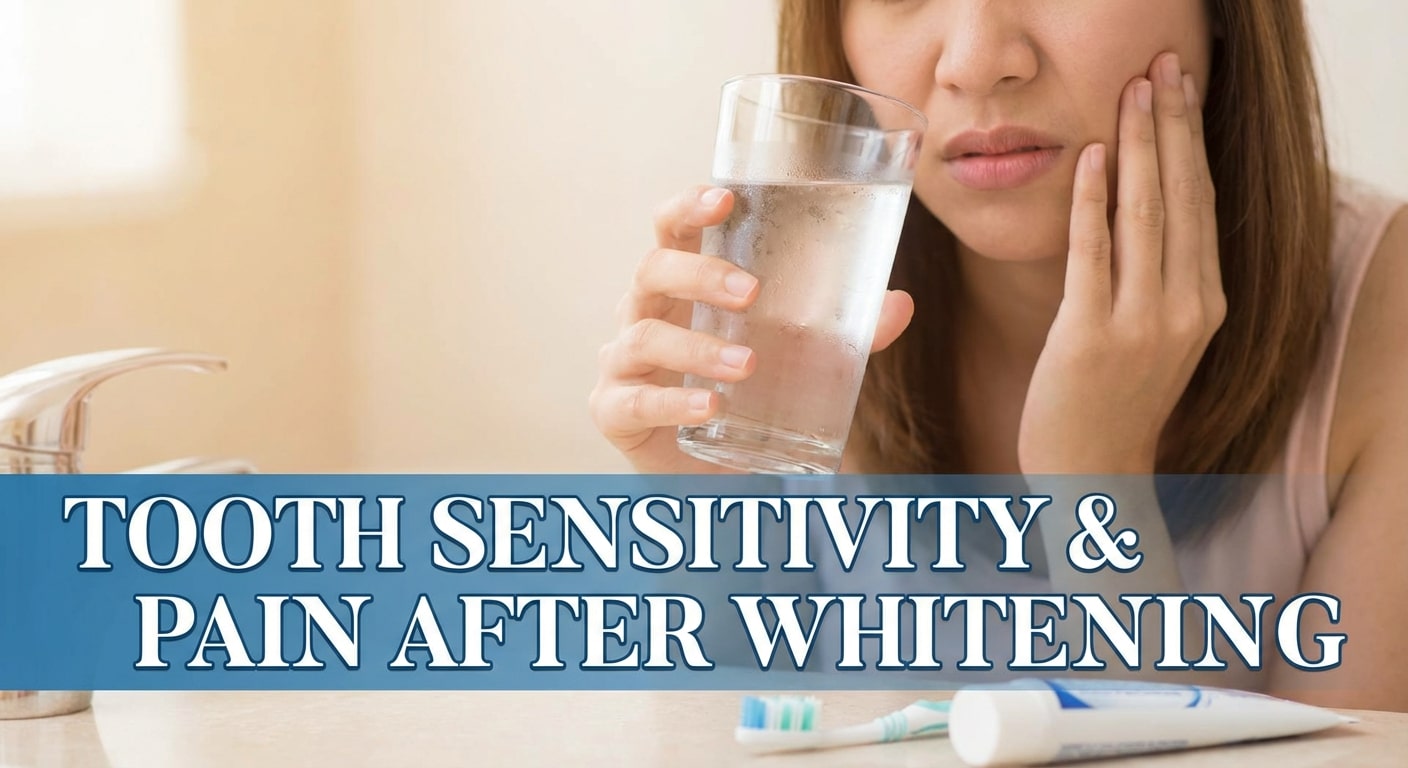
Tooth Sensitivity & Pain After Whitening
Tooth Sensitivity & Pain After Whitening (And How To Avoid It)
Let's talk about the thing nobody wants but everyone worries about: that sharp, zingy pain after teeth whitening.
You know the one. That jolt when cold air hits your teeth. The wince when you sip your morning coffee. That moment when you think, "Did I make a huge mistake?"
Here's the truth. Sensitivity is real. It's common. But it's also manageable, and almost always temporary.
So if you've been putting off whitening because you're scared of the pain, or if you're reading this with teeth that already feel a bit tender, this one's for you.
Why Sensitivity Is the Number One Fear About Whitening
Walk into any dental clinic and ask people what stops them from whitening their teeth. Nine times out of ten, they'll say: "I'm worried it'll hurt."
And honestly? That's fair.
Most of us have had that one friend who got their teeth whitened and spent the next three days wincing at everything. Or maybe you tried a DIY kit once and felt like your teeth were screaming.
Sensitivity isn't just an inconvenience. It's a warning sign that makes you second-guess the whole thing.
But here's what most people don't realise. The sensitivity you experience depends hugely onhowthe whitening is done, who does it, and how well your teeth are prepped beforehand.
It's not a given. It's preventable.
What Actually Causes Sensitivity During and After Whitening
Okay, quick science moment. But I'll keep it simple.
Your tooth enamel has tiny microscopic tubules. Think of them like little tunnels that run from the surface down to the nerve inside your tooth. Normally, these tubules are sealed or blocked by minerals and proteins.
When you apply whitening gel (hydrogen peroxide or carbamide peroxide), it penetrates the enamel to break down stain molecules. In the process, it temporarily opens up those tubules and dehydrates the tooth slightly.
When those tubules are open, your nerves become exposed to temperature, air, touch, and pressure. That's when you get the "zings."
The good news? Once the whitening process is done and your teeth rehydrate over the next 24 to 48 hours, those tubules close back up and the sensitivity fades.
It's not permanent damage. It's just your teeth being a bit more reactive for a short window of time.
How Long Sensitivity Usually Lasts and What's Considered Normal
So how long should you expect to feel sensitive?
For most people, sensitivity peaks within the first 12 to 24 hours after treatment. It can feel sharp and sudden, especially with cold drinks or cold air.
By 48 hours, it's usually noticeably better. By 72 hours, most people are back to normal.
In some cases, mild sensitivity can linger for up to a week, but that's less common. If you're still feeling significant pain after a week, that's your cue to check in with your dentist. It might mean something else is going on, like a crack, cavity, or gum issue that wasn't spotted before whitening.
Here's what's normal:
Sharp, brief zings when you drink something cold or breathe in cool air
A dull ache or general tenderness in your teeth
Increased sensitivity to sweet or acidic foods
Here's what's not normal:
Severe, constant pain that doesn't ease up
Sensitivity that gets worse after the first few days
Pain when you bite down or chew
Swelling, redness, or bleeding gums
If you're in that second category, call your dentist. Don't just push through it.
Who Is More Likely to Experience Sensitivity
Not everyone reacts the same way to whitening. Some people barely feel a thing. Others are more sensitive from the start.
You're more likely to experience sensitivity if you have:
Thin Enamel
If your enamel is naturally thin or has worn down over time (from grinding, acid erosion, or aggressive brushing), the protective layer between the whitening gel and your nerves is thinner. Less buffer, more sensation.
Existing Tooth Sensitivity
If your teeth are already sensitive to hot or cold before whitening, they'll likely react more strongly during the process.
Gum Recession
When your gums recede, the root surfaces of your teeth become exposed. These areas don't have enamel, they have a softer layer called cementum. It's much more porous and sensitive.
Teeth Grinding (Bruxism)
If you grind or clench your teeth, you may have microcracks in your enamel that allow the whitening gel to penetrate deeper and irritate the nerves.
Recent Dental Work
If you've had fillings, crowns, or other dental work done recently, your teeth might still be a bit tender. Whitening can amplify that.
Dehydration or Dry Mouth
If you're dehydrated or have chronic dry mouth, your teeth don't have as much natural saliva to buffer and remineralise the enamel. This can increase sensitivity.
The good news? Knowing your risk factors means you and your dentist can plan ahead to minimiz]se the pain.
How to Prepare Sensitive Teeth Before Treatment
If you already know your teeth are sensitive, don't just hope for the best. Prep them.
Here's what you can do in the weeks leading up to your whitening appointment:
Start Using a Desensitising Toothpaste
Two to four weeks before your treatment, switch to a toothpaste designed for sensitive teeth. Look for ingredients like potassium nitrate or stannous fluoride. These help block the tubules in your enamel and calm the nerves.
Brush with it twice a day. Some people even rub a little bit directly on their teeth before bed for extra protection.
Use a Fluoride Mouthwash or Gel
Fluoride strengthens enamel and helps seal up those microscopic tubules. Ask your dentist about prescription-strength fluoride if over-the-counter options aren't cutting it.
Avoid Acidic Foods and Drinks
In the week before whitening, cut back on things like citrus, soft drinks, wine, and vinegar. Acidic foods temporarily soften your enamel, making it more vulnerable.
Time It Right
If you're someone who tends to get sensitive, don't schedule your whitening right before a big event or a stressful week. Give yourself a buffer so you can rest and recover if your teeth feel tender.
Talk to Your Dentist
Be honest about your sensitivity history. A good dentist will adjust the strength of the whitening gel, the length of the session, or suggest a gentler treatment plan.
In-Clinic Strategies to Reduce Sensitivity
When you get professional whitening done, your dentist has a bunch of tricks to keep sensitivity under control.
Here's what they might do:
Use a Lower Concentration Gel
Not everyone needs the strongest formula. If you're prone to sensitivity, your dentist can use a lower-concentration gel and extend the treatment time slightly to get the same results with less pain.
Shorter Sessions
Instead of one long session, some dentists break the whitening into shorter intervals, giving your teeth time to recover between applications.
Apply a Desensitising Gel Before or After
Many clinics apply a gel containing potassium nitrate or fluoride before or after the whitening treatment. This helps calm the nerves and seal the tubules.
Protect Your Gums
A professional will use barriers or protective gel to shield your gums from the whitening agent. This prevents gum irritation and reduces overall discomfort.
Custom Trays for At-Home Kits
If you're using a dentist-provided take-home kit, custom-fitted trays ensure the gel stays on your teeth and doesn't leak onto your gums. Ill-fitting trays from DIY kits are a major cause of sensitivity and burns.
Use LED or UV Light Carefully
Some in-chair treatments use light to activate the whitening gel. If you're sensitive, your dentist might skip this or use a gentler setting.
The point is, a professional has options. A DIY kit doesn't.
At-Home Relief Tips If Your Teeth Feel "Zingy" After Whitening
Okay, so you've already done the whitening and now your teeth are sensitive. What do you do?
Here are some things that actually help:
Use Desensitising Toothpaste
Keep brushing with it. You can also rub a little directly on the sensitive spots and leave it on for a few minutes before rinsing.
Avoid Extreme Temperatures
Skip the ice water and piping hot coffee for a few days. Stick to lukewarm drinks and room-temperature foods.
Rinse with Lukewarm Salt Water
A gentle saltwater rinse can soothe irritated gums and calm sensitive teeth. Mix half a teaspoon of salt in a glass of warm water and swish it around a few times a day.
Chew Sugar-Free Gum
Chewing gum stimulates saliva production, which helps remineralise your enamel and reduce sensitivity. Just make sure it's sugar-free.
Take Over-the-Counter Pain Relief
If the discomfort is bothering you, ibuprofen or paracetamol can help. Just follow the dosage instructions and don't rely on it for more than a day or two.
Avoid Acidic, Staining, or Crunchy Foods
Give your teeth a break. Stick to soft, neutral foods like yogurt, mashed potatoes, scrambled eggs, and bananas for the first 24 to 48 hours.
Use a Soft-Bristled Toothbrush
Brush gently. Aggressive brushing can make sensitivity worse, especially when your enamel is temporarily more porous.
Most people find that these simple steps are enough to get through the sensitive phase without too much drama.
When Sensitivity Could Signal a Bigger Problem
In most cases, sensitivity after whitening is normal and temporary. But sometimes, it's a sign that something else is going on.
You should call your dentist if:
The pain is severe and doesn't improve after a few days
You have sharp pain when biting or chewing (could be a cracked tooth)
One specific tooth is much more painful than the others (could be decay or a nerve issue)
Your gums are swollen, bleeding, or tender (could be gum disease or a chemical burn)
The sensitivity started during treatment and hasn't eased up at all
These symptoms could point to an underlying issue that needs attention. Don't ignore them.
Can People with Historically Sensitive Teeth Still Whiten Safely?
Yes. Absolutely.
Having sensitive teeth doesn't mean you can't whiten. It just means you need to do it smarter.
Here's how:
Work with a Dentist
Skip the DIY kits. A dentist can assess your sensitivity, adjust the treatment, and monitor your progress.
Start with a Gentler Option
Consider a lower-strength take-home kit instead of jumping straight to in-chair whitening. You can always increase intensity later if your teeth tolerate it well.
Build Up Slowly
Some people do better with gradual whitening over a few weeks rather than one intense session.
Prioritise Pre-Treatment Prep
Spend a month using desensitising toothpaste and fluoride before you even start. It makes a huge difference.
Communicate Throughout the Process
If something hurts during treatment, say something. Your dentist can pause, adjust, or apply a soothing gel.
The bottom line? Sensitivity isn't a dealbreaker. It's just something to manage.
FAQ:
Will teeth whitening hurt?
It depends. Some people feel nothing. Others get mild to moderate sensitivity for a day or two. Severe pain is rare and usually preventable with proper preparation and professional supervision.
What if my teeth already hurt before I even start?
Then don't start yet. Get a dental checkup first to figure out why they're sensitive. Fix any underlying issues (cavities, gum disease, cracks) before whitening.
Can I take pain relief during or after whitening?
Yes. Ibuprofen or paracetamol can help manage discomfort. Just don't use it as a long-term solution. If you need pain relief for more than a few days, something else might be going on.
How do I know if the sensitivity is normal or a problem?
If it's mild, peaks in the first day or two, and gradually fades, it's normal. If it's severe, constant, or getting worse, call your dentist.
Makes sense, right?
The Bottom Line
Sensitivity after whitening is common, but it's not something you just have to suffer through.
With the right prep, the right treatment plan, and the right aftercare, most people find it's totally manageable.
And honestly? A few days of mild sensitivity is a small price to pay for a smile that makes you feel confident.
If you're in Sydney and want to whiten your teeth without the pain, the team at Teeth Whitening Sydney knows how to make it as comfortable as possible. They'll assess your sensitivity, tailor the treatment, and give you a plan that actually works for your teeth.
Because at the end of the day, whitening should make you feel good, not miserable.
So the next time someone asks, "Does it hurt?" you'll know exactly what to say: "It can, but it doesn't have to."